The art of action: Janvier Katabarwa’s cinematic journey
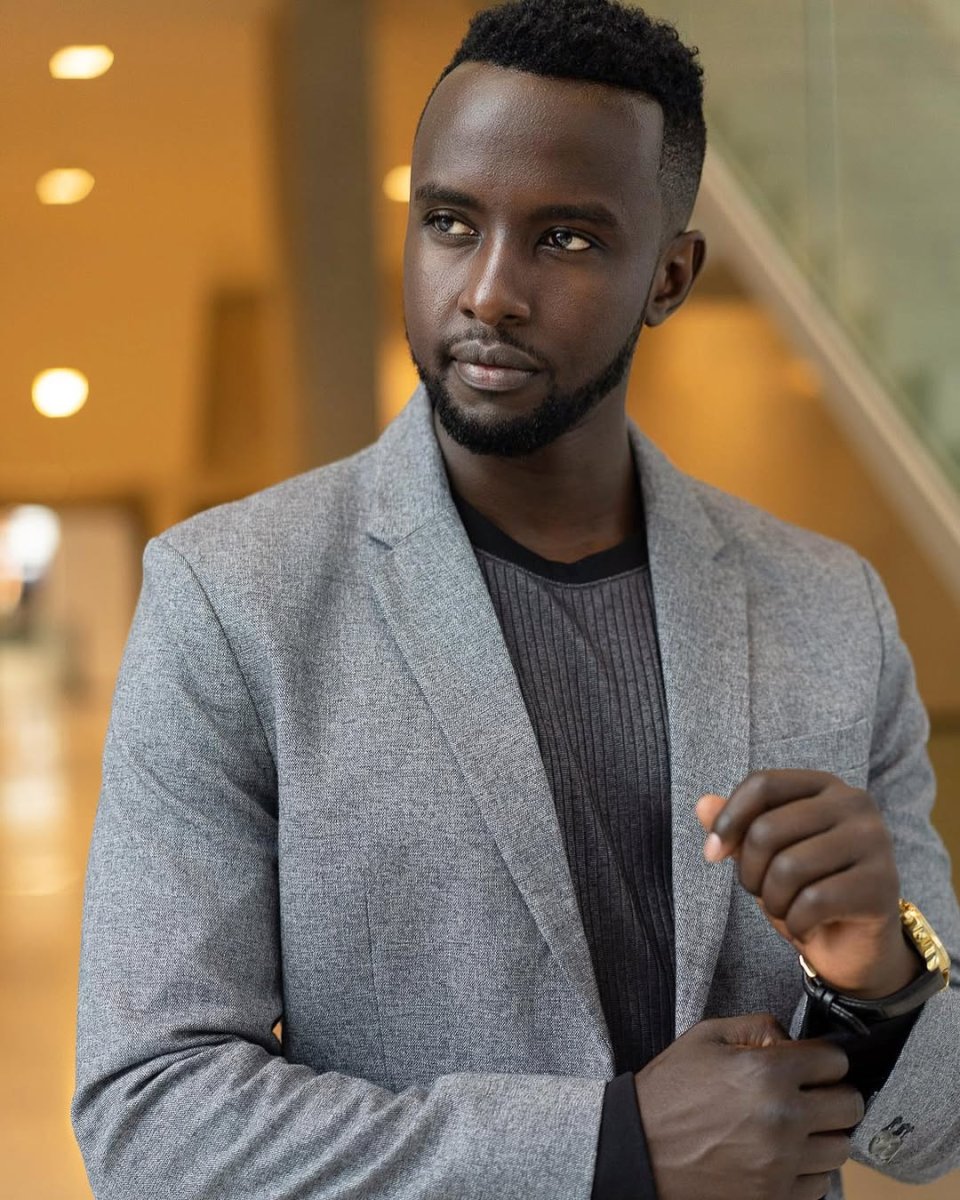
Few Rwandans have reached the heights of Hollywood action cinema — Janvier Katabarwa is one of them. Born in 1985 in Nyamagabe District, Southern Province, Rwanda, he has forged a rare path as a martial artist, actor, and stunt performer, blending physical discipline, courage, and a mission to represent his culture authentically on the global screen.
Early life and martial arts background
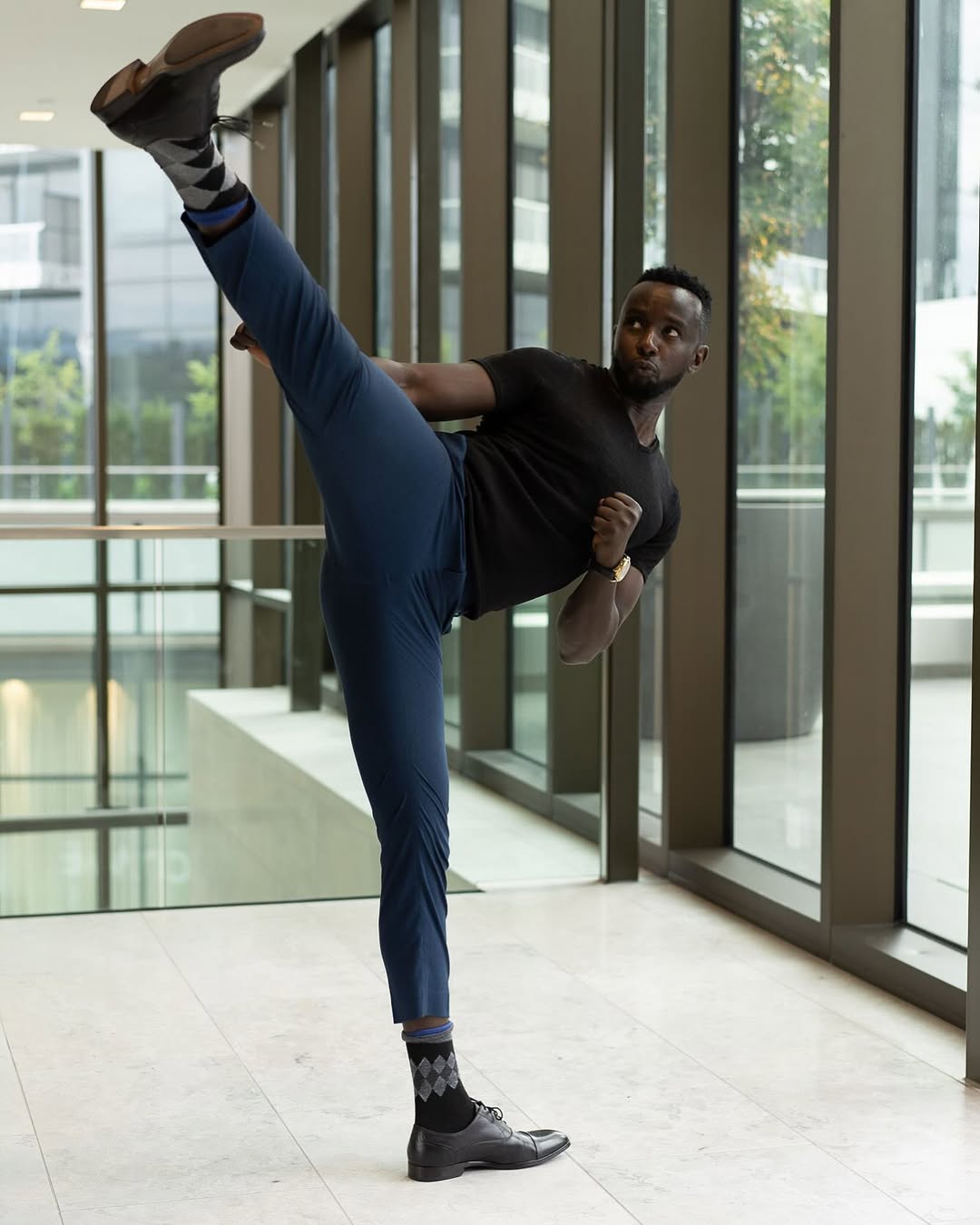
Growing up in Rwanda, Katabarwa was drawn to sports, performance, and martial arts. He began practicing karate at 11, quickly earning a place on Rwanda’s national karate team, becoming one of the youngest athletes to compete at that level. He later trained in kickboxing, judo, and kobudo, laying the foundation for his future in stunt work and action cinema.
Alongside martial arts, Katabarwa discovered a love for storytelling through theatre, performing with the AERG troupe Inyamibwa. These experiences shaped his understanding of performance, discipline, and cultural expression, while also connecting him to Rwanda’s history and post-genocide narrative.
Moving to Canada and pursuing cinema
At 19, Katabarwa moved to Canada to continue his studies, initially pursuing accounting. Though his degree and a job in Alberta’s oil industry offered stability, he felt an irresistible pull toward performance and storytelling.
Choosing to follow his passion, he relocated to Vancouver — one of North America’s major film hubs — where he trained intensively, auditioned tirelessly, and gradually carved a space for himself in the competitive worlds of acting and stunt performance. After years of perseverance, he landed roles that showcased both his martial arts expertise and talent for high-intensity action sequences.
Career highlights
Katabarwa’s martial arts skills opened doors in film and television. He has performed stunts for internationally recognized productions, including Deadpool 2, Arrow, The Flash, Supergirl, Superman & Lois, Peacemaker, Riverdale, and Supernatural, and served as a stunt double for actors such as David Harewood and Brandon McKnight.
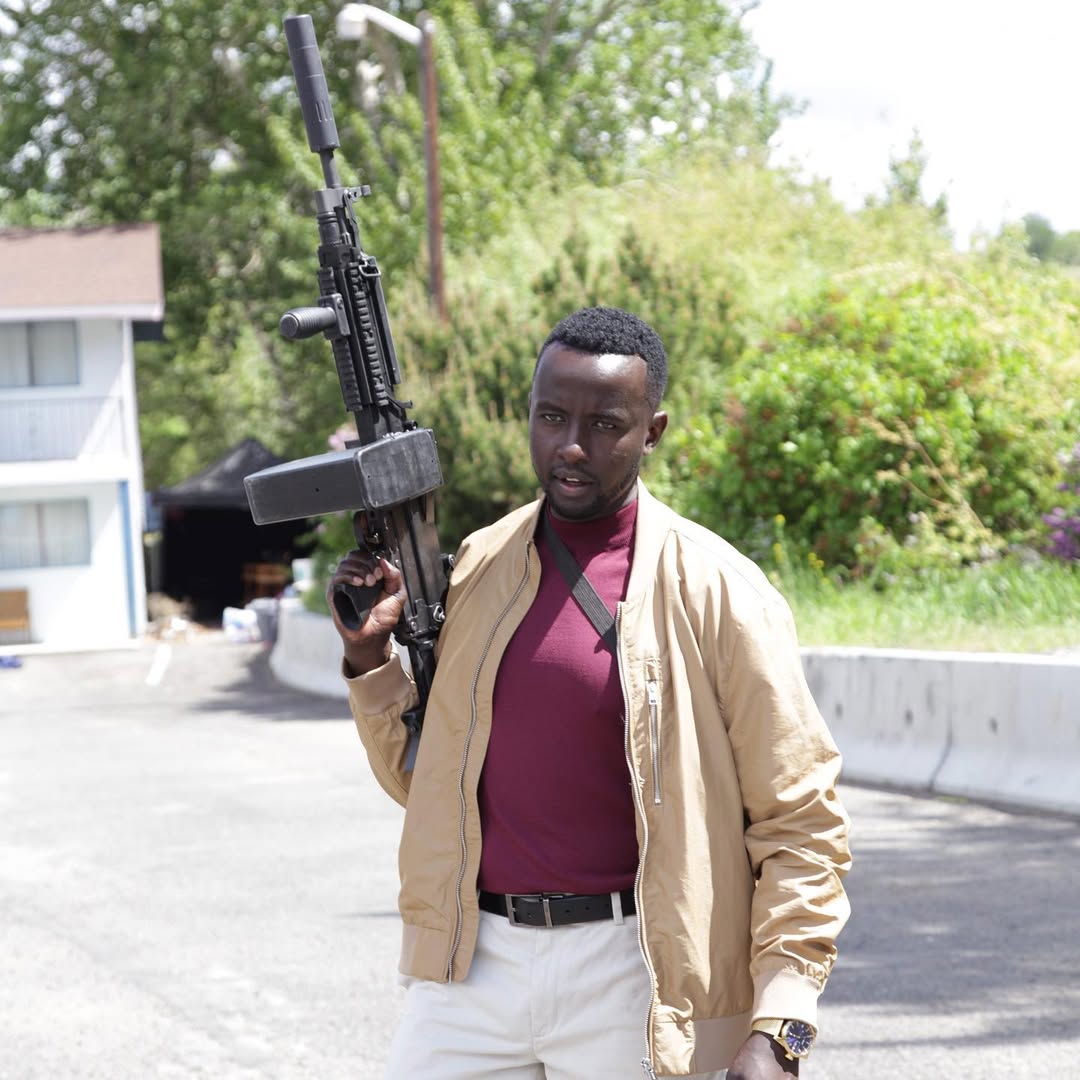
His breakout acting role came in 2022 with the action film Bullet Proof, where he portrayed The Frenchman alongside Vinnie Jones and James Clayton. Performing all of his own stunts, Katabarwa showcased his combat skills, agility, and precision, earning recognition on a global stage.
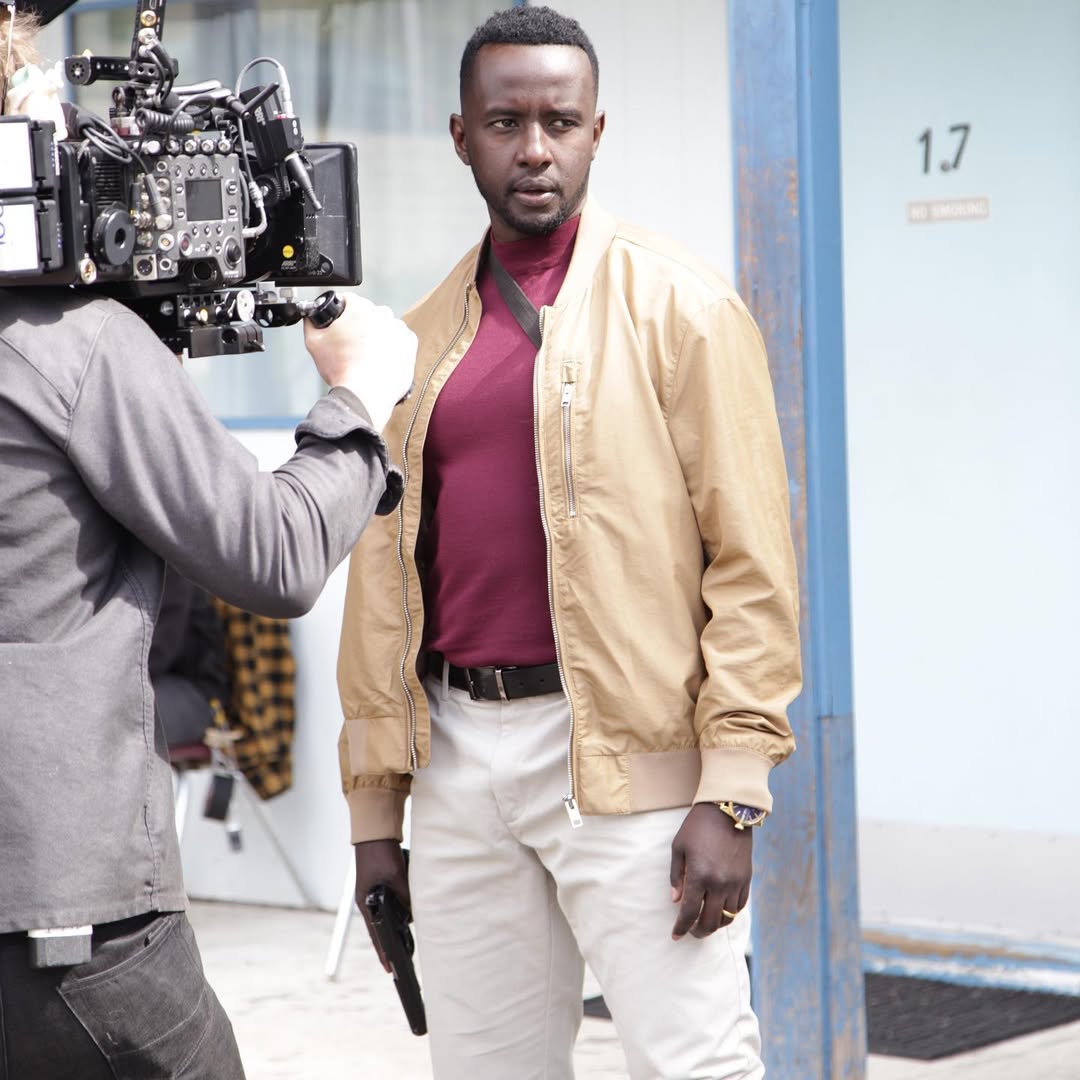
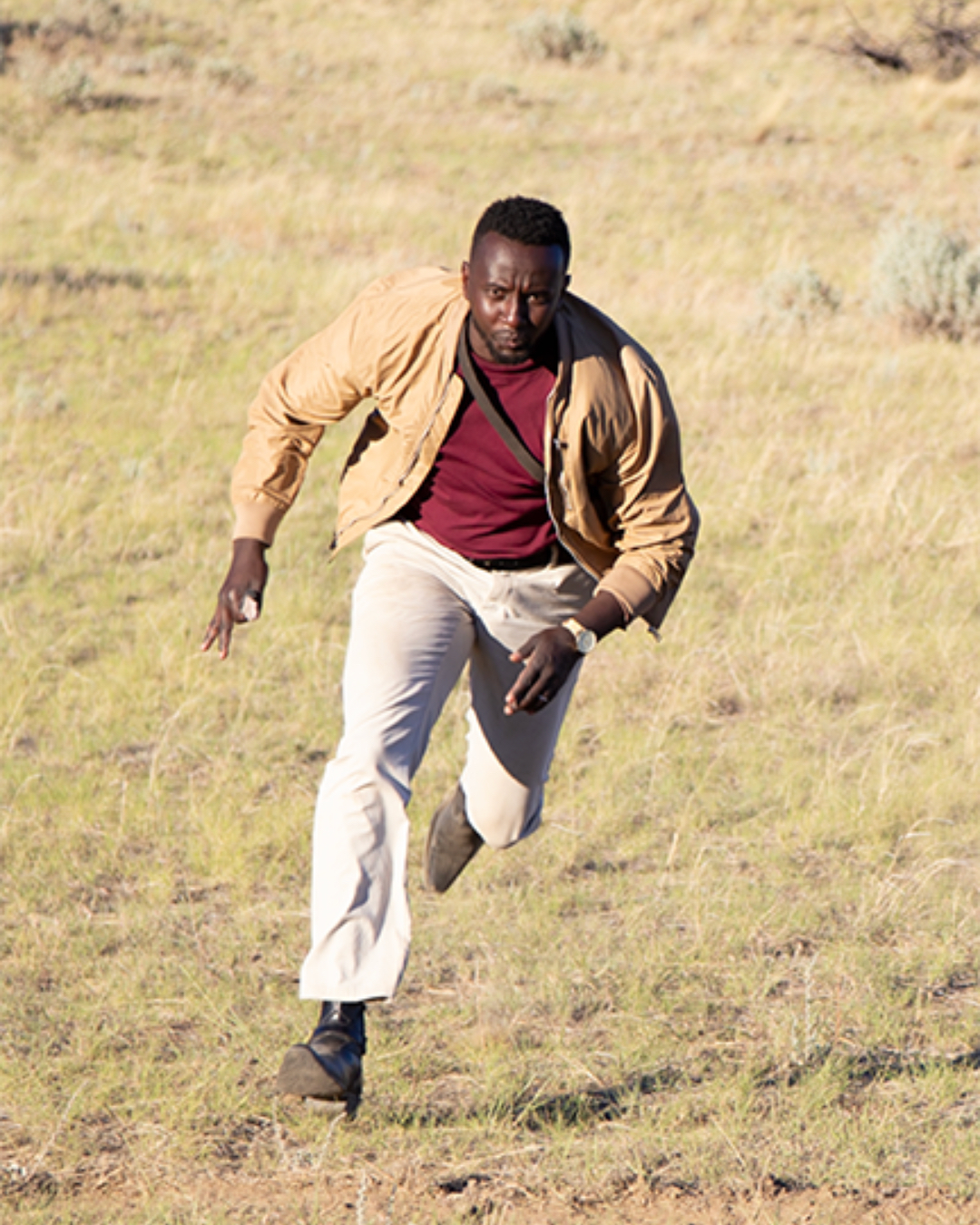
Expanding his range beyond action, he starred in the 2025 short film Adamstown, directed by Andrew Bilindabagabo. Katabarwa played Patrice, an immigrant navigating a high-stakes manhunt while struggling to fit into a society that often scrutinizes him. The 15-minute film, featuring English, Kinyarwanda, and Swahili, had its world premiere at the BlackStar Film Festival in Philadelphia. Reflecting on the experience, he said:
“Working on this film was my first opportunity to portray a character with a relatable story. Patrice Ngabo is an immigrant with a challenging childhood, and even though this is a short film, I believe it has the potential to develop into a larger narrative. It was my first time acting in Kinyarwanda, my native language, and I loved everything about this experience.”
After years of stunt work and supporting roles, Bullet Proof and Adamstown collectively demonstrate that his gamble to leave corporate life and pursue cinema had paid off, showing both his physical prowess and dramatic depth.
Upcoming projects
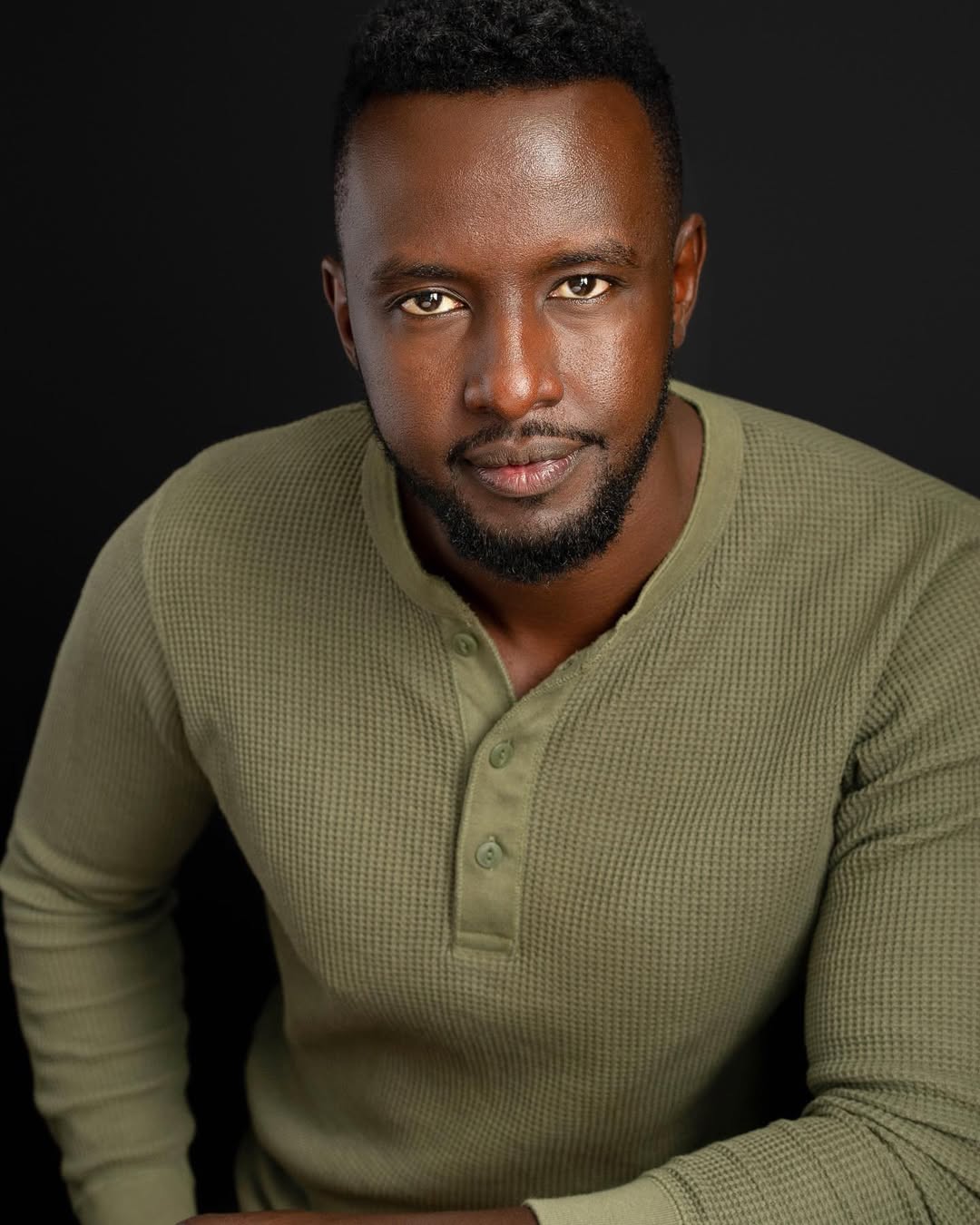
Katabarwa continues to build his career in action cinema. He is part of the cast of Used Mercs (pre-production), where he will play Barnes, a Head of Security. He is also involved in Briefcase, 8 (post-production), portraying Emmanuel in major action sequences. These roles leverage his martial arts expertise, blending acting with physically demanding stunt work.
Production company
Alongside his sister, Kate Katabarwa, he co-founded Katabarwa Production, reflecting his broader mission: connecting African and international talent while supporting authentic storytelling.
Advocating for Rwandan stories
Katabarwa has long emphasized the importance of Africans telling their own stories. Reflecting on foreign-produced films about Rwanda, such as Hotel Rwanda, he noted that these stories are often presented inaccurately. He believes that if Rwandans made their own films, “the act of telling lies about our story wouldn’t happen.”
This vision guides his career choices. He seeks to portray Rwandan heroes, history, and culture authentically, ensuring audiences worldwide see these stories as they were meant to be told. For Katabarwa, cinema is not just entertainment — it is a tool to give Rwandans control over their own narratives, inspire new generations, and foster cultural pride.